


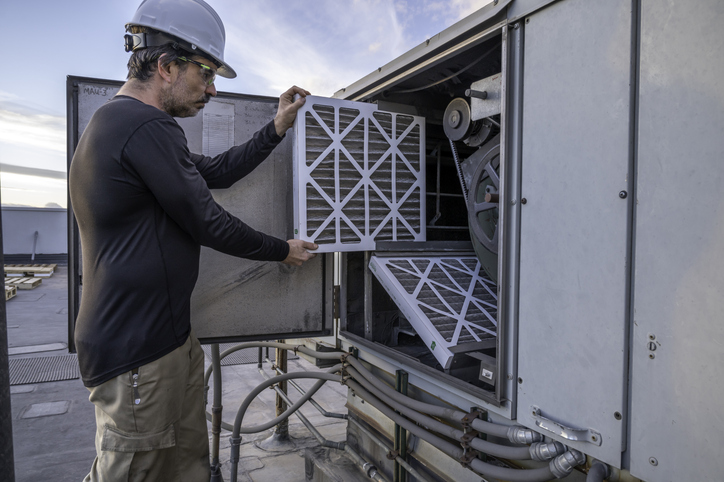
Build a Foundation for Reliable Climate Control With PM
Emergency HVAC repairs share a predictable pattern: they happen at the worst possible time, cost significantly more than planned maintenance, and create operational disruptions that extend far beyond the immediate repair. For organizations managing multiple locations, this reactive approach compounds inefficiency. Each facility operates independently, maintenance happens only after failures, and budgeting becomes nearly impossible when expenses arrive as unpredictable emergencies.
Commercial HVAC preventive maintenance breaks this pattern through systematic service that keeps equipment running reliably while avoiding the chaos of emergency breakdowns. The proactive approach identifies components approaching failure, schedules replacements during optimal windows, and creates comprehensive visibility across entire facility portfolios. For multi-location organizations, preventive maintenance turns facility management from crisis response into strategic asset protection. Take a closer look at HVAC preventive maintenance with CLS Facility Services.
What Commercial HVAC Preventive Maintenance Actually Is
At its core, commercial HVAC preventive maintenance is scheduled, systematic inspection and servicing of heating, ventilation, and air conditioning equipment before problems occur. Rather than waiting for components to fail, preventive maintenance identifies wear patterns, addresses minor issues, and optimizes system performance through regular attention.
This proactive approach contrasts sharply with reactive maintenance, where facility teams only respond after equipment breaks down. Research consistently demonstrates the value of preventive approaches. According to the U.S. Department of Energy, a well-maintained HVAC system can reduce energy consumption by 15-20% compared to neglected equipment. Beyond energy savings, preventive maintenance extends equipment lifespan, reduces emergency repair frequency, and minimizes the operational disruptions that impact customer experience and revenue.
The Core Components of Effective Preventive Maintenance
We’ve explored the detailed mechanics of HVAC preventive maintenance in another entry on our blog. Understanding the fundamental categories helps facility managers appreciate why systematic approaches outperform reactive strategies.
Commercial HVAC preventive maintenance encompasses several critical activities. Regular inspections assess overall system condition, identifying components showing wear before they fail catastrophically. Cleaning activities remove debris and buildup that restrict airflow and reduce efficiency. Component adjustments ensure systems operate at manufacturer specifications. Proactive replacements address parts approaching end-of-life during scheduled maintenance windows rather than during emergency breakdowns. When facility managers think about getting proactive with commercial HVAC asset management, they’re implementing these systematic practices consistently across their entire facility portfolio.
Why Multi-Location Organizations Benefit Most
Organizations managing multiple facilities face challenges that make commercial HVAC preventive maintenance particularly valuable. Without systematic preventive maintenance, multi-location operators often discover they’re managing HVAC on a location-by-location basis. Each facility follows different practices, working with different vendors, and maintaining different standards. This fragmentation creates inefficiency and inconsistent service quality, and makes strategic planning nearly impossible.
A preventive maintenance program provides the framework for consistent execution across all locations. Standardized service schedules ensure every facility receives appropriate attention. Centralized documentation creates visibility into equipment performance trends. Coordinated vendor relationships ensure consistent service quality regardless of geographic location.
Real-world results: A national retailer’s preventive maintenance program avoided $125,000 in emergency repair costs through proactive asset management.
The Financial Case Beyond Emergency Avoidance
While avoiding emergency repairs represents an obvious financial benefit, commercial HVAC preventive maintenance delivers value through multiple channels.
- Energy efficiency improvements reduce monthly utility costs across every facility in your portfolio. For multi-location organizations, a 15% reduction in HVAC energy consumption across 100 locations creates substantial annual savings.
- Extended equipment lifespan defers capital expenditures by years, allowing organizations to spread replacement costs over longer timeframes while reducing the likelihood of budget-disrupting emergency replacements.
- Reduced downtime protects revenue and customer experience; when HVAC systems fail during business hours, the impact extends beyond repair costs to include lost sales and damaged customer relationships.
Improve Your HVAC Management Approach
CLS Facility Services has been supporting organizations with HVAC preventive maintenance programs for more than 50 years. Our systematic approach ensures consistent service delivery across all your locations while providing the visibility and documentation that enables strategic facility management.